Page Vault Resources

White papers, articles, and videos on legal-grade web captures
× Clear filters

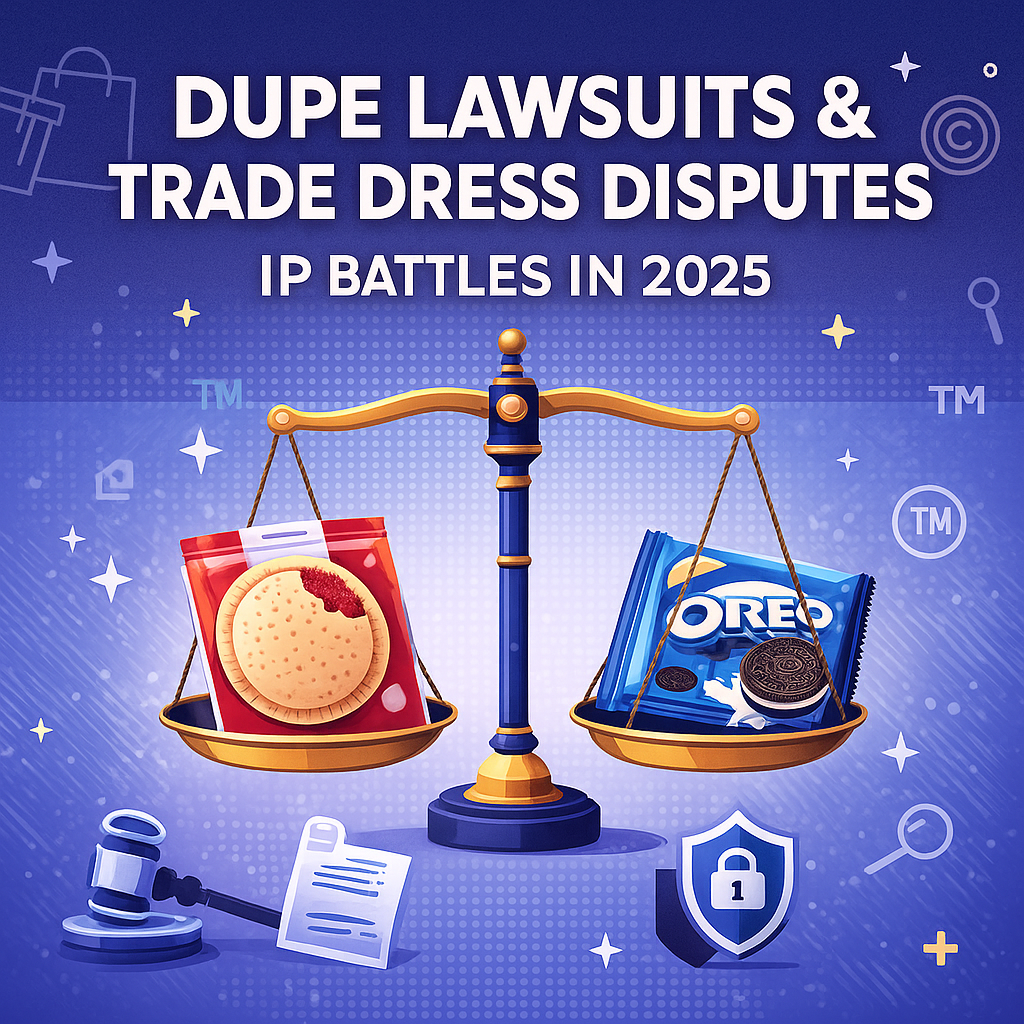
When “Dupes” Turn Into Lawsuits: What Smucker, Lululemon & Aldi Reveal About IP Battles in 2025

Last Updated November 2025

Private-label design has moved from harmless imitation to legally actionable mimicry and courts are taking notice. According to the Private Label Manufacturers Association (PLMA), U.S. store-brand sales grew 3.9% last year to a record $271 billion, signaling a structural shift in consumer behavior — and a growing threat to manufacturers with well-established brand equity.

This shift has corresponded with an observable uptick in trademark litigation that includes trade dress allegations. Commentators note that courts are increasingly entertaining trade dress claims — a trend that signals brand owners are treating trade dress as a regular component of their enforcement strategies. Although trade dress filings make up a smaller percentage of overall trademark cases, courts are seeing an increasing number of disputes centered on product design, packaging, and overall look-and-feel, particularly in actions involving private-label or “lookalike” goods.

The result? Retailers are pushing design boundaries, national brands are drawing firmer lines, and courts are increasingly tasked with determining where “inspiration” becomes “infringement.”

See more
Trademark stamp

Adapting to USPTO Rule Changes in 2025: What Trademark Practitioners Need to Know

Last Updated November 2025


The practice of trademark prosecution has always required precision, but the changes that took effect at the USPTO in January 2025 decisively changed how that precision is measured. The retirement of the long-familiar TEAS Plus and TEAS Standard filing options, the rollout of the new Trademark Center, the introduction of significant surcharges for incomplete or inefficient applications, and the continued tightening of specimen standards together mark a new era for practitioners.

See more

When Online Evidence Holds Up in IP Cases

Last Updated November 2025


From sneakers and coffee pods to mobile apps and even fake magazine covers, intellectual property (IP) disputes increasingly turn on what happens online. Product listings, social media promotions, and digital ads often become central to claims of trademark infringement, false advertising, or unfair competition.

See more
Graphic of computer screen depicting deleting a file

The Minefield of Deleted Posts: When You Don’t Capture It Before It’s Gone

Last Updated September 2025

Online content disappears faster than most realize. A tweet is removed. A website is quietly edited. A post vanishes without notice. If that content becomes relevant to litigation, compliance, or an internal investigation, the opportunity to preserve it may already be lost. Historically, tools like Google’s cache or the Wayback Machine offered a second chance. But that safety net? It’s not holding up anymore.

See more

Influencers in Court: When Online Personalities Become Key Evidence

Last Updated November 2025

As social media continues to shape how we communicate and consume information, social media influencers hold substantial sway over public opinion and consumer behavior. But with that influence comes a growing wave of legal scrutiny. More and more, influencers are finding themselves at the center of legal disputes, where their online content—and the personas they’ve crafted—play a key role in court. This article examines several high-profile cases involving influencers, exploring the legal challenges around authenticity, the admissibility of digital content, and what these developments mean for the future of influencer marketing. 

See more

The Fight Against Online Dupes and Counterfeits: Strategic Insights for Legal Professionals

Last Updated November 2025

Counterfeit goods and dupes represent an ever evolving and significant challenge for legal professionals tasked with intellectual property enforcement and brand protection. Counterfeits, which are unauthorized replicas often involving direct misuse of logos and trademarks, aim to deceive consumers while eroding brand trust and market value. Dupes, on the other hand, mimic the style, design, and functionality of premium products without directly copying protected elements, making them harder to litigate against and posing unique challenges in the IP landscape.

The consequences of counterfeit and dupe proliferation extend beyond economic losses for brands—they can also diminish consumer trust, lead to safety concerns, and weaken market integrity. As online marketplaces and social media platforms continue to evolve, so too must the strategies for monitoring and enforcing intellectual property rights.

See more
  • There are no suggestions because the search field is empty.

Subscribe to our blog